September 03, 2026
Balancing Functional Lighting with Modern Office Design
Walk into any office today and you'll notice something: the best-looking spaces are rarely the ones with the fanciest furniture. They're the ones where the lighting just feels right. Not too harsh, not too dim, not distracting just right.
That balance between good looks and good function is harder to get than it seems. Offices need light that helps people focus, stay comfortable through long hours, and avoid the eye strain that comes with badly lit screens. At the same time, the lighting has to fit the aesthetic clean lines, minimal fixtures, a sense of openness. Getting both at once is where most office designs either succeed or fall flat.
Why Function Comes First
Before anything else, office lighting has to work for the people using it. That means:
• Even brightness across desks and walkways, without harsh contrasts that tire the eyes
• Reduced glare on screens, especially in spaces with a lot of glass or reflective surfaces
• Task-specific lighting for desks, meeting rooms, and focus zones, since one blanket light level rarely suits every activity
• Comfortable colour temperature cooler light for concentration areas, warmer tones for breakout and lounge spaces
Skip any of these, and even the most beautifully designed office will feel tiring to work in by the end of the day.
Why Design Can't Be an Afterthought
Function alone isn't enough either. Bulky fixtures or exposed wiring can undercut an otherwise well-planned office, making it feel dated no matter how new the furniture is. Modern offices lean toward:
• Slim, recessed, or track-style fixtures that blend into ceilings rather than dominate them
• Layered lighting a mix of ambient, task, and accent lighting instead of one uniform source
• Fixtures that double as design elements, like linear LED strips along walls or pendant lights over collaborative spaces
The goal is lighting that supports the space's look rather than competing with it.
Where the Two Meet
The real skill is in combining these without compromising either one. A few approaches that consistently work:
Zone the lighting. Open desk areas, meeting rooms, and lounges all have different needs. Instead of one lighting plan for the whole floor, treat each zone separately brighter, cooler light for workstations; softer, warmer light for relaxed spaces.
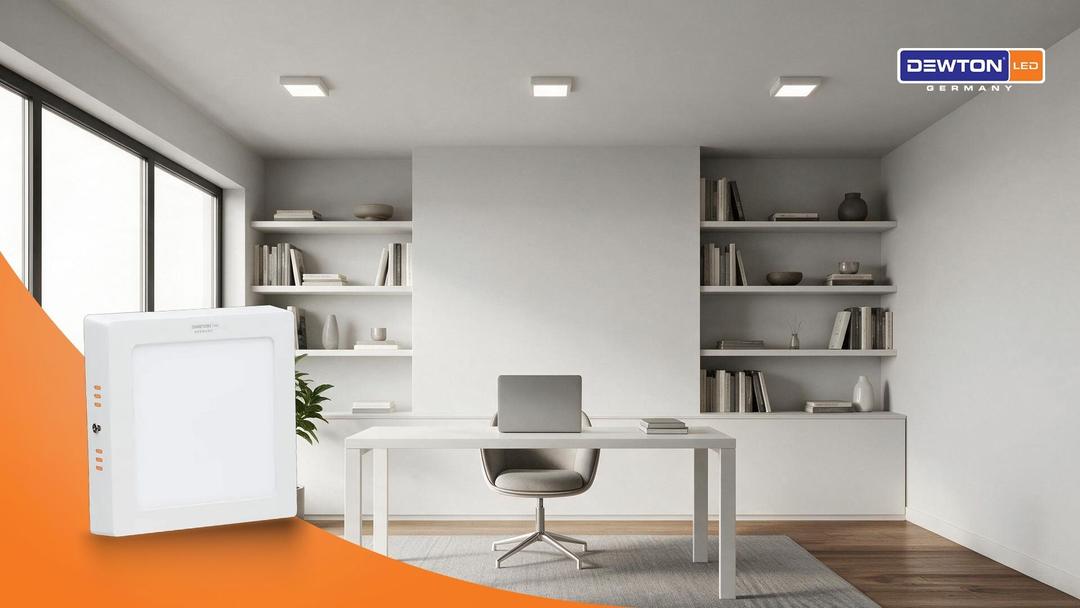
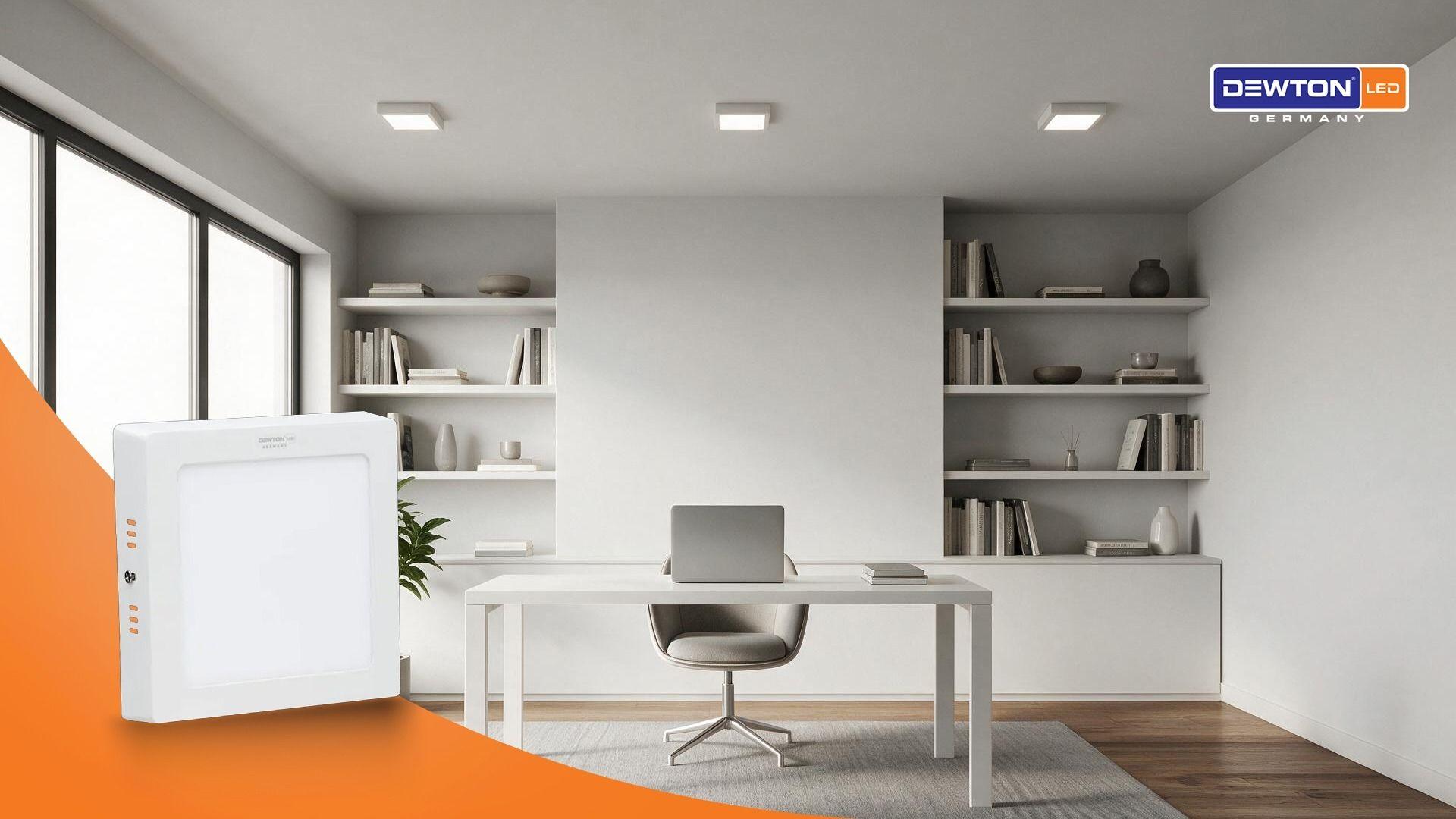
Use LED strips and panels for a clean look. Flat panel lights and slim LED strips give strong, even light without visually cluttering the ceiling, which is why they've become a go-to for modern office fit-outs.
Add dimmable and tunable options. Offices that let teams adjust brightness or warmth through the day tend to see better comfort levels, especially in spaces with a mix of natural and artificial light.
Don't ignore ceiling height and layout. A fixture that looks great in a rendering can feel completely different once installed, depending on ceiling height, desk placement, and natural light. Planning lighting around the actual floor plan avoids costly rework later.
Good office lighting isn't a choice between function and design it's making sure neither one is sacrificed for the other. Offices that get this right end up with spaces that are as comfortable to work in as they are pleasant to look at, and that combination is what keeps both employees and visitors feeling good about the space.
At Dewton LED, this balance is exactly what we design for lighting solutions built to hold up through long workdays while fitting seamlessly into modern office interiors.