July 30, 2026
What to Look for Before Buying Sports Turf Lighting
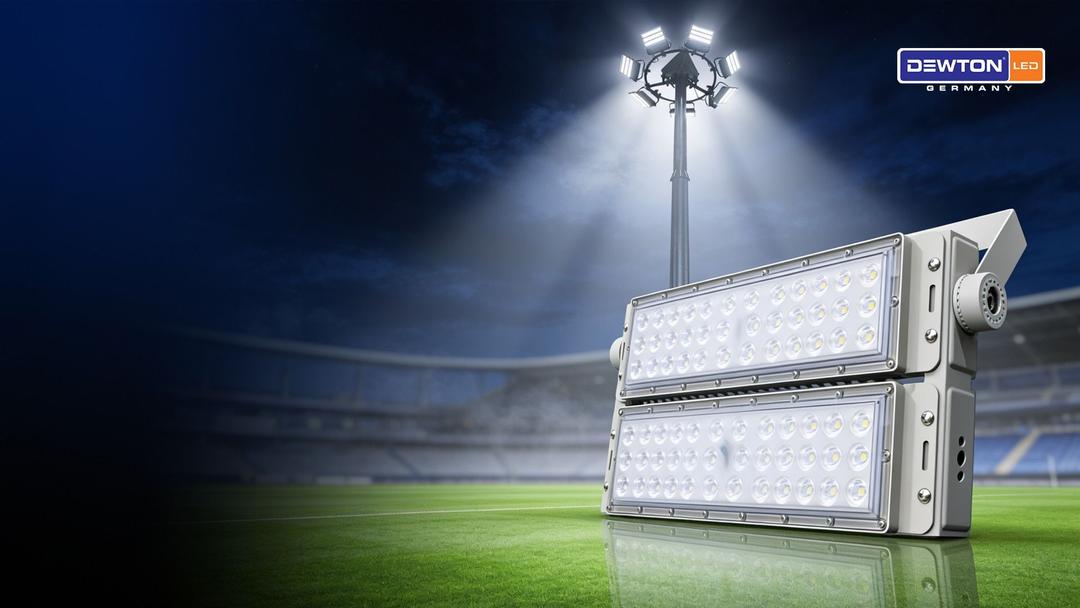
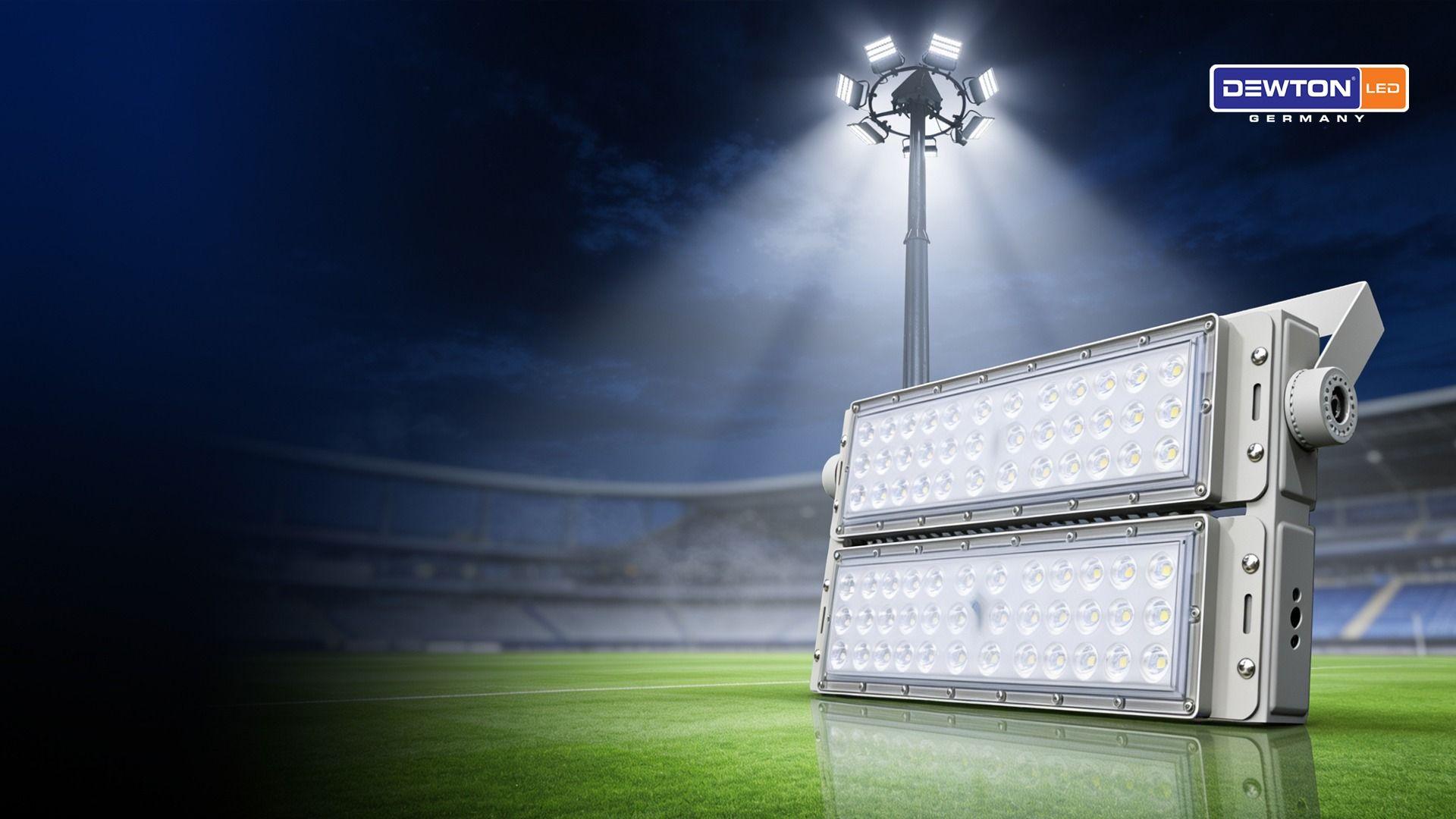
Good lighting can make or break a sports turf facility. Whether it's a football ground, cricket practice net, or a multi-sport arena, the right lighting setup keeps players safe, games fair, and your facility running well into the evening. It's one of those investments that quietly affects everything how safe players feel, how professional your facility looks, and how much you spend on electricity every month for years to come.
Here's what to check before you invest.
Uniformity, Not Just Brightness
A common mistake is focusing only on how bright the lights are while ignoring how evenly that light spreads across the field. Poor uniformity creates shadows and bright patches, which can affect visibility for players and cause strain for spectators. Even lighting across the entire ground matters more than raw brightness for player safety and game quality.
Imagine a football player running from a well-lit patch straight into a dim corner; the split-second adjustment their eyes have to make is exactly what causes missed catches, bad tackles, and unnecessary injuries. A ground that looks bright in photos but has uneven coverage in reality will always disappoint the people actually playing on it.
Glare Control
Turf lighting sits at eye level for players looking up to catch a ball or track a play. Fixtures with poor glare control can genuinely affect performance and safety. Choose lights designed to direct light onto the field rather than into players' eyes, especially for fixtures mounted on lower poles or closer to the field.
Glare is one of those problems that's hard to notice until it's too late; you might not catch it during a daytime site visit, but the first time a striker loses the ball in the floodlights during an evening match, it becomes obvious. Ask your supplier specifically how they've addressed glare, and if possible, see the lights in action at another facility before committing.
LED Efficiency and Running Costs
LED turf lights have largely replaced older metal halide and sodium vapor lighting because they give more brightness for less electricity, meaning lower power bills over the life of the installation. A well-chosen LED lights setup can cut your energy costs significantly compared to older lighting technology.
Over months and years of daily use, this difference adds up to real savings often enough to offset a chunk of the initial investment. It's worth asking your supplier for a rough estimate of monthly running costs, not just the upfront price of the fixtures, so you know what you're really signing up for.
Pole Height and Placement
Lighting design isn't just about the fixture; it's about how it's positioned. Pole height, the number of poles, and how they're angled all need to work together to avoid shadow zones and glare spots. This is usually planned out properly by your supplier rather than left to guesswork, so ask for a lighting layout plan before installation.
A good supplier will actually visit your ground, take measurements, and show you a plan of where poles will go and how the light will spread rather than just quoting a standard package. If a supplier can't explain why they're recommending a certain pole height or spacing, that's a sign they haven't really thought through your specific ground.
Weatherproofing
Outdoor sports lighting is exposed to rain, dust, and humidity year-round. Make sure the fixtures are rated for outdoor use and can handle water, dust, and moisture without damage over time. This matters even more if your facility is near the coast or in a high-rainfall area.
Lights that aren't properly sealed can develop internal moisture, corrosion, or electrical faults within just a couple of monsoon seasons, leading to costly repairs or early replacements. It's worth asking your supplier directly how their fixtures are protected against weather, rather than assuming all outdoor lights are built the same way.
Heat Management
LEDs generate heat, and lights that don't dissipate heat well tend to fail sooner. Look for fixtures built with good heat dissipation, especially important in hot, humid climates where lights run under thermal stress most of the year.
A fixture that overheats regularly will dim faster, fail earlier, and cost you more in replacements down the line even if it looked identical to a better-built option on the showroom floor.
Consistent, Flicker-Free Performance
Cheaper fixtures often cut corners on internal components, leading to flickering, dimming, or early failure. Flickering lights aren't just annoying; they can genuinely affect how players track the ball and how comfortable spectators are watching.
Ask your supplier how they ensure stable, consistent output over time. It's also worth asking existing customers of a supplier how their lights have held up after a year or two of regular use, since flickering issues often only show up after the fixtures have been running for a while.
Safety During Installation and Beyond
Lighting poles and fixtures involve real electrical and structural work, so it's worth confirming that the installation team follows proper safety practices secure pole foundations, correctly rated wiring, and safe working practices during setup.
This isn't just about ticking a box; a poorly installed pole or loose wiring can become a genuine safety hazard for players and staff long after the installation team has left.
At the end of the day, sports turf lighting isn't just about picking the brightest fixture on a catalogue it's about finding a lighting partner who understands your ground, your sport, and your budget, and can design a system that gets it right the first time.
Dewton LED provides turf lighting solutions across Kerala, bringing exactly this kind of thoughtful, ground-specific approach to sports lighting projects. Whether you're setting up a football turf, cricket practice facility, or multi-sport arena, working with a local supplier who understands the region's climate, humidity, and monsoon conditions means your lighting is built to last, not just to look good on day one.
If you're planning a new turf lighting project or looking to upgrade an outdated setup, it's worth reaching out to a team that can walk your site, understand your specific needs, and design a lighting plan around them rather than selling you a one-size-fits-all package.
Good lighting is a long-term investment make sure it's backed by the right expertise from the start.